Day: July 11, 2025

  • Surgical facelifts vs. dermal fillers. Do you REALLY need surgery?

    Surgical facelifts vs. dermal fillers. Do you REALLY need surgery?

    In the last couple of years, and accentuated by the Zoom and video meetings during the pandemic, beauty standards have shifted towards a desire for a square lower third of the face. What are the possible reasons? In this article, we will explore the different methods for achieving this look.

    More angular faces give a greater impression of security and strength; they look better on screens; they usually have a more defined oval, and, therefore, their appearance is less sagging.

    Besides this, a youthful look is characterized by defined lines on the face. When the line from the chin to the furthest point of the jaw begins to lose definition, the face looks less fresh and youthful.

    More and more patients have been requesting the shape of the faces as celebrities such as Bella Hadid, Keira Knightley, and Olivia Wilde. They all have one thing in common: a more defined jawline and a more prominent chin.

    How to achieve a facelift?

    Facelifts are very popular among the population, and there are two ways of going through this procedure: choosing a surgical procedure or choosing a non-surgical one. We will go through the advantages and disadvantages of each of these methods.

    Facelift through surgery

    A surgical facelift aims to rejuvenate the appearance of the face and neck by tightening and smoothing the skin and underlying tissues. It can help reduce sagging, wrinkles, and other signs of aging. However, it’s important to note that a facelift is a surgical procedure with associated risks.

    1. Invasiveness

    Surgical treatments, by their nature, involve incisions, tissue manipulation, and anesthesia. This invasiveness can lead to a longer and more uncomfortable recovery period compared to non-surgical options, which often have minimal downtime.

    2. Risk of Complications

    Surgical procedures carry inherent risks, including infection, bleeding, scarring, and anesthesia-related complications.

    3. Longer Recovery Time

    Recovery from surgery can take weeks to months, during which patients may need to limit physical activity, take time off work, and avoid certain activities.

    4. Scarring

    Surgical procedures typically result in some degree of scarring, which may be visible depending on the location of incisions and individual healing factors.

    Facelift without surgery

    If you are not willing to go under the knife, here are some common non-surgical treatment alternatives for achieving a facelift-like effect:

    Botulinum Toxin

    These neurotoxin injections can temporarily relax the muscles responsible for causing wrinkles and fine lines, particularly on the forehead and around the eyes. They can provide a smoother, more youthful appearance.

    Thread Lift

    A thread lift is a minimally invasive procedure in which dissolvable threads are inserted beneath the skin to lift and tighten sagging tissue. It can provide a subtle lifting effect without surgery.

    Chemical Peels

    Chemical peels use chemical solutions to remove the top layer of skin, leading to improved skin texture, reduced fine lines, and a more youthful glow.

    Hyaluronic Acid Dermal Fillers

    Hyaluronic acid fillers for the face are very effective non-surgical methods for enhancing your unique features and reducing the appearance of wrinkles and folds.

    For those wanting to achieve significant and prominent cheekbones, you can use hyaluronic acid fillers with the goal of lifting, projecting, defining, or highlighting these areas.

    ‍Suggested reading: How to Fake High Cheekbones: Non-Invasive Solutions

    HYAcorp Face is the one solution you need for achieving defined and sharp cheekbones and jawline. Its cross-linked formulation has been designed to improve the facial contours and restoring the lost anatomical structures of the face

    All of these solutions should be supervised and advised by your trusted professional. In HYAcorp, we always recommend you make sure you get a tailor-made assessment based on your necessities.

     

  • All About Upper Face Anatomy and How to treat it with HYAcorp Fillers

    All About Upper Face Anatomy and How to treat it with HYAcorp Fillers

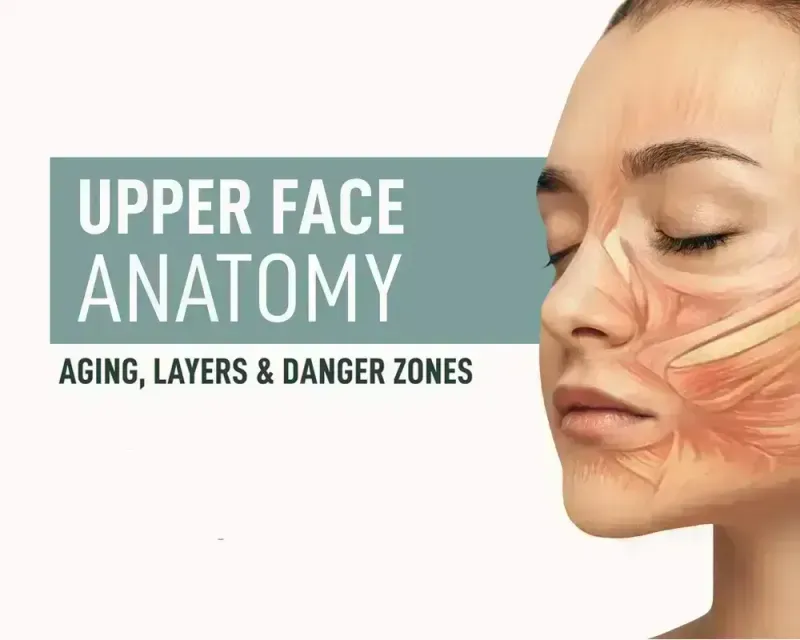
    Last week, German Pioneer BioScience hosted a webinar on the anatomy of the face and how to achieve a full face remodelling using HYAcorp Fillers for the Face. Plastic Surgeon Dr. Konstantin Frank dived deep into the anatomy of the upper face, while Italian Dr. Andrea Margara focused on his approach to these areas of the face while using HYAcorp fillers.

    There are a few reasons why understanding the anatomy is such an important part of the health experts, specially if they are using hyaluronic acid fillers.

    Safety

    Understanding the anatomy of the face and underlying structures is essential to avoid potential complications and adverse effects associated with dermal filler injections. Anatomical knowledge helps in preventing accidental injection into blood vessels, nerves, or other sensitive structures.

    Precision

    Knowledge of facial anatomy allows injectors to be precise in their placement of HA fillers. This precision is vital for achieving natural-looking results and avoiding overcorrection or uneven distribution of the filler.

    Patient-specific treatment

    Facial anatomy varies from person to person, and the treatment plan should be tailored to each patient’s unique facial structure, including the distribution of fat, muscle, and bone.

    Long-term results

    Knowledge of anatomy is essential for predicting how filler will behave over time. This understanding helps practitioners make informed decisions about the amount of filler to use and where to place it to achieve more sustainable results.

    Upper Face Anatomy: How the aging process works

    As Dr. Konstantin Frank, explained in our last webinar, for those doctors whose patients are looking for younger results, it is crucial to first understant what happens as we get older in the certain facial parts to the rejuvenate those specific parts.

    In the upper face, forehead lines and vertical glabella lines are formed.  In the temporary region, the temporal concavity tend to increases.

    The skeletonization of the upper face is mainly driven by a loss of volume of the Calvarial volume. Males lose about 70 milliliters, while females lose about 60 milliliters as they get older.

    Signs of Aging in the Upper Face 

    Temporal Concavity

    Eyebrows- Ptosis

    Forehead Retraction

    Static Vertical Glabellar Lines

    Static Forehead Lines

    Receeding Hairline

    How to treat those signs of aging?

    Italian Plastic Surgeon, Dr. Andrea Margara shared on the live session his experience using HYAcorp Face Fillers to treat areas such as glabella and periorbital lines, responsible for those signs of aging.

    First, HYAcorp Fine is a very light product, non-crosslinked HA and it must be used on the surface of the skin.It is injected  in the epidermis and  it helps enhancing the glowing effect, the elasticity and hydration in the skin. It is more indicated in the priorbital lines, in then superficial wrinkles and also in the neck.

    HYAcorp Feel, with a higher consistency than Fine, it is a superficial filler because it’s indicated for superficial and medium wrinkles and it is  also indicating the periorbital and perioral area but for deeper wrinkles because it’s a combination of a non-cross linked hyaluronic acid and a cross-linked hyaluronic acid.

    You can find more information here about HYAcorp Face Fillers and how you cna achieve a full face treatment with natural results.

  • Our latest Webinar now is available for you to watch

    Our latest Webinar now is available for you to watch

    At the beginning of October, BioScience hosted a webinar tackling all about full-face anatomy and how to achieve face remodelling using HYAcorp Face Fillers.

    Our team of experts, Dr. Konstantin Frank, Dr. Andrea Margara, and Dr.Nazaret Ruiz López delivered an insightful session that ended with a very interactive Q&A.

    The moderator and speaker of this session was Dr. Konstantin Frank,  plastic surgeon from Germany, currently working in Marbella, Spain, at the Ocean Clinic. He has been working for BioScience for a couple of years and actively participates as a trainer in the BioScience Global Academy and is also a member of several advisory boards and a consultant to pharmaceutical companies.

    Dr. Konstantin Frank’s lecture was mainly focused on the anatomy of the face. First, he divided it into three sections: Upper Face, Mid Face, and Lower Face Anatomy, and also explained how the aging process works in each area.

    Our next speaker was Italian Plastic Surgeon, Dr. Andrea Margara, who currently works in Torino, Italy, is an ISAPS member and also has been participating in BioScience symposiums for a couple of years now. As a very experienced doctor with HYAcorp Fillers, he shared how he uses HYAcorp face fillers to achieve a full face remodeling, while obtaining natural and safe results.

    During his session, he explains how he uses HYAcorp Fine, a non-crosslinked HA that is ideal for treating fine lines such as periorbital lines and superficial wrinkles. He also uses HYAcorp Feel, for tackling superficial to medium wrinkles, as well as perioral and periorbital areas, while showing a couple of before and after of his patients.

    Dr.Margara also explained and shared his experience using HYAcorp Lips to enhance and add volume to that area, and also HYAcorp Face for nasolabial folds.

    Next, Spanish plastic surgeon specialized in reconstructive surgery, Dr. Nazaret Ruiz López addressed the other range of products powered by BioScience and how she has used them through the years.

  • Comparing Buttocks Augmentation: HA Fillers vs. Surgical Procedures

    Comparing Buttocks Augmentation: HA Fillers vs. Surgical Procedures

    The demand for lifted and rounded buttocks has become increasingly popular in recent years, with many individuals exploring different methods to achieve their desired look. When it comes to buttocks augmentation, two primary options stand out: the non-surgical approach using hyaluronic acid (HA) fillers and the surgical route. Each method comes with its own set of benefits, considerations, and potential risks.

    In this blog post, we will go through each option, weighing the pros and cons, and providing you with the insights you need to make an informed decision.

    Non-Surgical VS. Surgical Procedures

    Before we dive into the specifics of buttocks augmentation with HA fillers and surgical techniques, it’s essential to establish a fundamental understanding of both methods.

    Surgical Procedures

    As its name implies, this type of procedure involves going under the knife. The buttock augmentation surgical treatments typically are: fat grafting, butt implants, or Brazilian buttocks lift (BBL).

    Non-Surgical Procedures

    As its name suggests, these type of procedures don’t require going under the knife, and they are minimally invasive. One example of a non-surgical procedure is the hyaluronic acid dermal fillers which can also be applied on body areas such as the buttocks.

    Butt Fillers or Surgery: Which one is better?

    Each approach has its unique advantages and considerations, and it will ultimately depend on the needs of the patients and the recommendations of your professional.

    Buttocks Augmentation Procedures with Surgery (Fat Grafting)

    Fat grafting is a surgical and invasive procedure that involves removing fat from one area of the body and transferring it to another area to enhance volume, shape, or contour. 

    Dual Benefits

    In addition to enhancing the buttocks, fat grafting involves liposuction to remove excess fat from other areas, providing patients with a slimmer, more sculpted silhouette.

    Permanent Results

    The fat that survives the grafting process becomes a permanent part of the buttocks, offering long-lasting results. While some fat may be reabsorbed, the remaining fat provides enduring benefits.

    Recovery Period

    Fat grafting typically involves a longer recovery period due to the liposuction component. Patients may need to take time off from their regular activities and follow post-operative care guidelines.

    Body Fat Percentage

    The amount of available fat also depends on a patient’s overall body fat percentage. Individuals with very low body fat may not have sufficient fat reserves for grafting, as the procedure requires a surplus of fat to be effective.

    Surgical Risks

    As a surgical procedure, it comes with inherent risks, such as those associated with anesthesia and surgical complications. It is vital to select a qualified and experienced plastic surgeon for this method.

    Buttocks Augmentation Procedures with HA Dermal Fillers

    Buttock augmentation with HA fillers is the perfect solution for those patients wanting to achieve prominent, rounded as well and enhanced buttocks. What’s more, this procedure for buttocks augmentation is highly individualized based on a patient’s desired aesthetics.

    There are many reasons why people start choosing buttocks augmentation procedures with no surgery, and it will only continue to grow as better and more competitive products are released in the market, such as the German pioneer in the body fillers market, HYAcorp.

    Minimally Invasive

    HA filler injections are a non-surgical option that involves minimal downtime compared to surgical procedures. This method is particularly appealing to those who want to avoid the risks and recovery time associated with surgery.

    Quick Results

    One of the primary benefits of HA fillers is the almost immediate enhancement they provide. Patients can achieve noticeable volume and contour improvements in a matter of hours.

    Customization

    HA fillers offer a high degree of customization, allowing healthcare professionals to precisely shape and sculpt the buttocks according to the patient’s preferences.

    Reversible

    An advantage of HA fillers is that they are generally reversible, thanks to an enzyme called hyaluronidase, providing a sense of security for those concerned about potential dissatisfaction or complications.

    Temporary Results

    The results of HA filler injections are temporary, typically lasting from several months to a couple of years. This means that to maintain the desired look, patients may need periodic touch-up injections.

    HYAcorp MLF2 has only been designed for bigger areas of the body, such as the buttocks. One of their many advantages is their capacity for prolonging the volume, enhancing a certain part, and overall improving skin texture.  What’s more, they are biphasic, which  means that they have cross-linked particles of HA dispersed in a non-cross-linked HA vehicle delivering more volume

    and long-lasting results.

    HYAcorp fillers have been CE mark approved since 2006, with safety records and presence in more than 40 countries. All its compositions are formulated to serve a specific purpose and are incorporated in a delicate balance, ensuring the best and most natural results.

  • Exploring the Impact of Dermal Filler Rheology on Aesthetic Treatments

    Exploring the Impact of Dermal Filler Rheology on Aesthetic Treatments

    What is Rheology?

    Rheology is the study of the flow and deformation of matter, primarily in the context of liquids and soft solids. It involves the examination of how substances respond to applied forces, such as stress or strain, and how they flow under different conditions. Rheology is present and affects our everyday lives. This knowledge is applied in various industries, including the development of materials with specific mechanical properties, the optimization of manufacturing processes, and the formulation of products like pharmaceuticals, ie, dermal fillers.

    Rheology of Dermal Fillers

    Dermal filler rheology refers to the study of the flow and deformation characteristics of dermal fillers. Understanding the rheology of dermal fillers is crucial in the field of aesthetic medicine because it helps practitioners assess how these materials behave once injected.

    Rheological Properties of the Fillers

    As Rheologist expert, Dr. Hema Sundaram, addressed in the BioScience symposium, we have to have an overall understanding of the rheological profile of dermal fillers, which includes factors such as:

    • (G*): Ability of a gel to resist deformation when pressure is applied
    • Viscosity: Ability of a gel to resist sheering forces
    • Cohesivity: The ability of the components of the gel to stay together

    By studying dermal filler rheology, practitioners can choose the most suitable products for specific aesthetic goals and injection techniques. It also helps in predicting how the filler will interact with tissues, ensuring optimal results and patient satisfaction.

    Impact of Rheology of Dermal Fillers on Final Tretament

    The theological properties of the dermal filler can have an enormous impact on the result of the treatment and, consequently, on the satisfaction of the patient. These are some of the reasons:

    Ease of Injection

    Fillers with lower viscosity are more fluid, and therefore the injection will be much smoother and more precise for placement. They are more often used for fine lines and softer and delicate areas. On the other hand, higher-viscosity fillers will provide more lift and volume. They are ideal for areas that require more structural support.

    Spread and Integration

    The amount of cohesiveness will impact the integration or moldability of the filler into the skin, and this overall influences how evenly the filler spreads and integrates into the surrounding tissues.

    Duration of Results

    The higher the G’, the more resistant the filler is to deformation over time. Dermal fillers with a higher G’ tend to have longer-lasting results, as they maintain their structural integrity for an extended period.

    These high values also contribute to the filler’s ability to hold a defined shape; making them suitable for sculpting and contouring procedures.

    Risk of Complications

    The stability of a filler’s rheological properties can impact the risk of complications such as migration or lumpiness. A stable rheology contributes to predictable and consistent results, therefore impacting the possibility of migration of lumpiness.

    HYAcorp MLF1 & HYAcorp MLF2: Higher G* Dermal Fillers

    HYAcorp MLF1 & HYAcorp MLF2 are hyaluronic acid fillers belonging to the corporal line of products developed by German Lab, BioScience GmbH.

    These two products have a higher G*, a highly-cross-linked body filler, and a higher particle size and HA concentration.

    MLF1 is used to volumize, shape, and define the calves, concave deformities, and hands. MLF2 is perfect for adding volume and contour to the gluteal area; the biggest muscle of the body, which therefore, would need a higher elasticity, viscosity, and G* for tissue support and long-lasting results.

  • Calf Augmentation with or without Hyaluronic Acid Filler

    Calf Augmentation with or without Hyaluronic Acid Filler

    Calf augmentation has gained increasing popularity as people seek a more balanced and sculpted lower body appearance. Traditionally, calf implants were the preferred method of calf contour enhancement. However, recent advances in non-surgical techniques have introduced hyaluronic acid (HA) fillers as a simpler, safer, and more effective alternative.

    Calf augmentation utilizing HA filler entails the injection of a biocompatible HA-based gel into designated areas of the subcutaneous tissue of the calves. The application of this gel aims to augment volume and impart form to the calves, leading to a more sculpted and defined aesthetic. Performing calf contouring with HA fillers necessitates a profound level of expertise in injection techniques and an extensive understanding of the regional anatomy prior to conducting the procedure.

    This injection-based augmentation technique offers several advantages over traditional surgical calf implants. As a plastic surgeon, I often recommend this procedure to patients who wish to avoid surgery and experience little or no downtime. Unlike calf implants, which require general anesthesia, incisions, and a long recovery period, calf augmentation with HA filler is a simple outpatient procedure. Patients can immediately notice an improvement in calf shape and size right after their appointment.

    Another advantage of calf augmentation with HA filler is the ability to customize the amount of filler and injection sites to meet each patient’s individual needs, resulting in a natural-looking augmentation. In addition, the results of HA filler are reversible with hyaluronidase enzyme injections, offering patients peace of mind and flexibility.

    HYAcorp MLF1  is a cross-linked body filler specially designed for contouring and volumizing the small areas of the body, such as the calves. It is ideal for shaping and adding volume to the calf’s area.

    Suggested reading: How to Sculpt your Body with HA Fillers

    However, it is essential to consider a few factors when opting for calf augmentation with HA filler. Maintenance treatments may be necessary over time as the filler material is gradually absorbed. It is prudent for patients to be conscious of potential adverse reactions, including but not limited to, edema (swelling), and ecchymosis (bruising), along with a minimal probability of encountering infections or hypersensitivity responses. These manifestations are typically transient and manageable, contributing to the comprehensive knowledge and awareness essential for optimizing patient outcomes and satisfaction.

    In conclusion, calf augmentation with HA filler presents an interesting non-surgical option for improving lower leg definition. In addition, thorough aesthetic evaluations can culminate in achieving harmonious and aesthetically pleasing outcomes. As advancements in 3D planning and imaging tools continue to evolve, calf augmentation utilizing HA filler is anticipated to progress towards increased precision and sophistication in future applications.

  • How to take care of your skin this winter

    How to take care of your skin this winter

    Our skin experiments drastic changes during seasons, especially winter months, since the epidermis becomes more sensitive. The colder months pose unique challenges to our skin, as the drop in temperature, coupled with indoor heating and lack of humidity, can leave our complexion feeling dry and dull. This need for extra hydration can lead to premature aging.

    It is essential for the health of the skin to make use of resources and treatments aimed at avoiding tightness, irritation, and dryness. Luckily, in this blog post, we will give you our best tips for taking care of your skin this winter.

    1. Understand the needs of your skin

    It may sound too obvious, but actually, there are a lot of people who are using the wrong skin care products for their skin. We recommend you go to a dermatologist, who will be able to give you a proper skin assessment. Based on that, you can choose products that are more suitable for dry skin, mixed skin or oily skin.

    2. Deep cleansing

    We could say that this is the most important step to maintain perfect skin in winter because it needs to be clean and well-oxygenated to regenerate properly. This step is essential throughout the year, and it is essential not to skip it, although often laziness makes us avoid the time to remove makeup. Clean your face with a cleanser suitable for your skin, and then apply a tonic to finish cleansing and restoring its natural pH.

    3. Sun protection, even if it is not warm

    In winter, even if it is cold, the risk of damaging the skin by sun exposure does not disappear, especially if we are in a snowy area, where up to 80% of solar radiation can be reflected. Sunglasses and sunscreen are allies to keep the skin well protected against its effects.

    4. Hydrate, always

    Use a moisturizer every day in the morning, before your makeup if you wear makeup, and with treatment or more nourishing night cream to apply before bedtime. Also, we can’t forget about internal hydration that comes in the form of drinking water and eating a clean and healthy diet rich in fiber, fruits, and antioxidants.

    5.Don’t forget about exfoliation

    Although exfoliation can be aggressive for sensitive and dry skin if done too often or with abrasive products. This practice removes dead cells accumulated on the surface of the skin and can be a way to help smooth the skin and slow skin aging.

    6.Take care of your lips

    The skin of the lips is susceptible to chapping in low temperatures and is one of the parts that suffer the most during the winter season. For this reason, we recommend protecting the lips with a balm and covering them with a scarf; also, avoid licking your lips, as this causes them to dry out even more.

    7.Add hyaluronic acid to your skincare

    Hyaluronic acid is responsible for attracting and retaining water. It can hold up to 1000 times its weight in water, helping to keep the skin well-hydrated. Hyaluronic acid is a versatile ingredient found in various skincare products, including serums and creams, so it is very handy when it comes to incorporating it into your routine.

    However, it is true that injectable dermal fillers are your best bet to take advantage of the properties of hyaluronic acid.

    Injectable hyaluronic acid is administered beneath the skin’s surface, directly targeting deeper layers. This can be beneficial for addressing more severe wrinkles, loss of volume, and enhancing facial contours. Also, the effects of injectable hyaluronic acid can last for several months, depending on the specific product used. This makes it a preferred choice for longer-term aesthetic enhancements.

    How can I use Dermal Fillers to improve my skin?

    ‍HYAcorp Fine will be your best ally during this winter season. It is the ideal formula to give your skin the boost and glow that it needs. is a non-cross-linked hyaluronic acid filler that can be applied to provide hydration and reduce the appearance of fine lines and wrinkles.

    HYAcorp Feel is a cross-linked formulation intended for the superficial to mid-dermis indications such as perioral and periorbital areas. It is ideal for correcting those dark areas around the eyes and smoothening out those mid to deep wrinkles.

    HYAcorp Lips: Since we mentioned above the struggles of your lips during the cold months, HYAcorp lips is a cross-linked hyaluronic acid solution designed for the augmentation, restoration, and contouring of lips. It doesn’t only provides the proper volume but also enhances your lips’ hydration.

    HYAcorp fillers have been CE mark approved since 2006, with safety records and presence in more than 40 countries. All its compositions are formulated to serve a specific purpose and are incorporated in a delicate balance, ensuring the best and most natural results.

  • Watch Our Newest Webinar Now: Uncover the Latest Insights From our Top Experts

    Watch Our Newest Webinar Now: Uncover the Latest Insights From our Top Experts

    On December 13th, BioScience hosted a webinar tackling all about the difference between choosing HA Fillers or Fat Grafting for gluteal augmentation procedures, how to select the right patient for each one, and the impact of rheology when choosing a product for BioScience’s portfolio.

    Our team of experts, Dr. Konstantin Frank, Dr. Kai Schlaudraff, and Dr.Kotti delivered an insightful session that ended with a very interactive Q&A.

    Dr. Konstantin Frank,  plastic surgeon from Germany and presently practicing in Marbella, Spain, at the renowned Ocean Clinic, served as both the moderator and speaker for this session. With a tenure of several years at BioScience, he not only contributes as a dedicated practitioner but also plays a key role as a trainer at the BioScience Global Academy. Additionally, Dr. Frank holds positions on multiple advisory boards and serves as a consultant to pharmaceutical companies.

    Dr. Konstantin Frank’s lecture was mainly focused on the anatomy of the glutes, rheology of products such as HYAcorp MLF2 and then finished the session with a brief lecture on how to manage complications.

    Our next speaker was Swiss Plastic Surgeon and ISAPS Treasurer, Dr. Kai Schlaudraff, who participated in this session as an ISAPS Guest and shared the safety standard guidelines for Plastic Surgeons. Next, Dr.Kotti also explained which criteria are the most important when deciding to choose between a patient for a minimally invasive procedure such as HA fillers, and an invasive one such as BBL.

  • Follow these 5 Daily Habits to Improve Your Well-Being

    Follow these 5 Daily Habits to Improve Your Well-Being

    Here we go again, a brand new year kicking in, and with it, the familiar list of resolutions that never seem to stick. As we dive into the fresh start, it’s a chance to shake things up and focus on doable habits that stick around. But let’s be real, how many of those promises have you really managed to keep in the past?

    In order for you to fulfill the goals or promises you make for the new year, here are five realistic resolutions that will help you become a better version of yourself.

    1. Sleep is a priority

    Even though, to this point, we are all very aware of the negative consequences of not getting enough sleep, is very likely that during some weeks, your sleep patterns will be out of control, affecting your energy levels, hormones, and overall health. So, for this year, let’s implement some easy steps.

    • Set a fixed bedtime and wake-up time, even on weekends. This helps regulate your body’s internal clock.
    • Develop pre-sleep rituals like reading a book, taking a warm bath, or practicing relaxation exercises. This signals to your body that it’s time to wind down.
    • Reduce exposure to screens (phones, tablets, computers) at least an hour before bedtime
    • Avoid heavy meals, caffeine, and alcohol close to bedtime

    2.Give meditation a try

    We all know that as the year goes by, there might be very stressful days or weeks when you don’t even have time to sit down and relax, so we recommend meditation as a tool for alleviating stress and enhancing mental well-being.

    • You can begin with short sessions, such as 5 to 10 minutes.
    • Find a quiet and comfortable place where you won’t be easily disturbed.
    • Consider using guided meditations,
    • Focus on your breatH

    3.Take care of your relationships

    Nurturing relationships is crucial for overall well-being. Strong social connections contribute to emotional support, reducing stress and fostering a sense of belonging. Healthy relationships provide a buffer against mental health challenges and enhance life satisfaction. In essence, prioritizing and maintaining meaningful connections is integral to a balanced and fulfilling life.

    4.Exercise frequently

    Even if you failed last year, prioritizing exercise this year can be achieved with thoughtful planning and commitment. Exercise does not necessarily have to be dreading or hard, it can be something you enjoy, like dancing, walking, or hiking; finding joy in your workouts increases the likelihood of consistency. Besides, there are multiple ways of incorporating exercise into your daily task, such as taking the stairs, walking during breaks, or cycling to work.

    5. Schedule “Me” Time

    Learn to say no when necessary and establish boundaries to protect your time and energy. Sometimes, we neglect having a set routine every day where we can disconnect to stay present. Maybe you can treat yourself to a facial, massage, or a new hairstyle. Remember that taking care of your outside also will have an impact on your inside!

    Suggested reading: Beauty on the menu. How Hyaluronic Acid Fillers and Antioxidant Foods Work Wonders

    Don’t forget to treat these appointments with the same importance as other commitments to ensure they are not easily overlooked.

    Cheers to a better, healthier, and happier 2024!

  • HYAcorp Webinar in Spanish: Sculpting Elegance

    HYAcorp Webinar in Spanish: Sculpting Elegance

    Are you prepared to take your expertise in the world of fillers to the next level? Join us on Wednesday, January 17, for an innovative webinar by HYAcorp titled “Sculpting Elegance: the Art and Science Behind Hyaluronic Acid Fillers”

    In this webinar, our experts will delve into the benefits of our pioneering brand of hyaluronic acid, HYAcorp. They will share details about its application in both facial and body procedures through a demonstrative video. Additionally, they will provide detailed information about post-treatment care and share the experiences of patients who have undergone this procedure.

    Webinar Details

    Date: Wednesday, January 17

    Time: 15:00 UTC

    Language: Spanish

    Our Expert Speakers

    Dr. Inés Castro – Plastic Surgeon  (Mexico)

    Certified as a plastic and reconstructive surgeon by “Hospital General de México Dr. Eduardo Liceaga.” He is the founder of Plaesthetic Plastic Surgery & Wellness Center. He is also an active member of the Sinaloense School of Plastic, Aesthetic and Reconstructive Surgeons.

    Dr. Carlos Sandoval – Plastic Surgeon (Venezuela)

    Certified as a plastic and reconstructive surgeon by “Hospital Militar “Dr.Carlos Arvelo” and obtained the specialization for Fellowship In Reconstructive Surgery Of Congenital Pathology  bu “Hospital Pediátrico San Juan de Dios. He is an active member of International Confederation of Plastic Surgery Societies (ICOPLAST), Federacion Iberolatinoamericana de Cirugia Plastica y Reconstructiva (FILACP), among others.

    Q&A Session

    Get answers to your burning questions! We’ll host an interactive Q&A session where you can seek clarification on techniques, best practices, and more.

    Register here